

In our era of rapid global travel, preserving the soul of a historic city can feel like a losing battle. The constant influx of visitors threatens to overwhelm the very charm they come to experience. Yet, one of the most powerful and often overlooked tools for sustainable tourism is right at a city’s port, policy. Strategic urban planning, the practice of using regulations to shape the visitor experience, is like having a quiver of legislative arrows, each capable of targeting a specific issue, from managing crowds to protecting local culture. Understanding how to wield these potent administrative tools can transform a city’s trajectory from a tourist trap into a model of sustainable living.
For Environmental and Community Health, few measures are as impactful as restricting large-scale maritime traffic. The decision to ban cruise ships from Amsterdam’s city center is a natural antidote to pollution and congestion, making it ideal for immediate air and water quality improvements. This move helps clear the literal and metaphorical air, encouraging a more sustainable model of tourism. For a deeper, more systemic shift, the closure of the central cruise terminal offers a foundational change that has been discussed for years to reclaim the city’s waterfront. It helps reframe Amsterdam’s identity from a mass tourism destination to a place of composed livability. Similarly, the direct reduction of thousands of day-trippers is wonderfully transformative, perfect for alleviating peak-time pressure on public spaces and infrastructure.
A Catalyst for Economic Recalibration
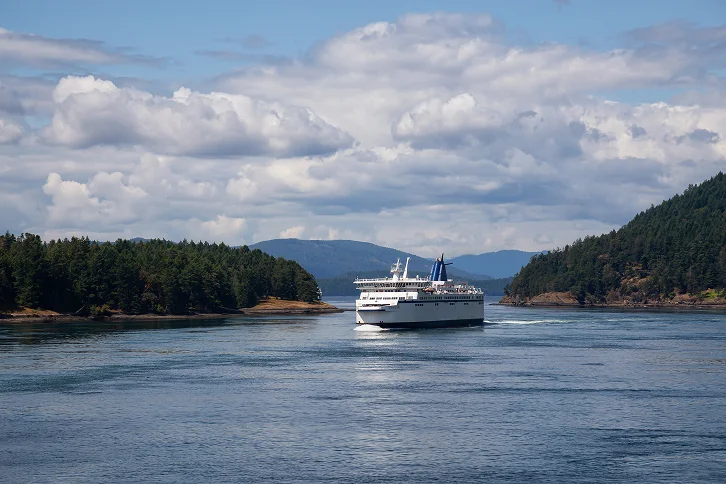
When a City Needs a Structural Reset or a New Identity, turning to bold, symbolic actions is key. A ban on central cruise ship operations is renowned for fighting the “checklist tourism” that plagues many historic cities. This single, decisive policy can provide an instant reorientation of the city’s priorities. For sharpening a city’s brand and making a lasting statement about its values, targeting a high-visibility industry like cruising is a powerful ally, it signals a break from the past and a commitment to a new future. If a city’s character needs reaffirming, this bright, clear line in the sand is a natural corrective, known to dispel its reputation as a mere tourist hub and create an uplifting vision for residents.
The Ripple Effects and Broader Strategy extend far beyond the port itself. The ban is not an isolated action, but a key part of a comprehensive “Curbing Tourism” campaign. This multi-pronged approach demonstrates a commitment to tackling the problem from every angle, creating a more powerful cumulative impact.
While the ban addresses environmental and social nuisances, its economic impact is nuanced. Critics from the tourism sector point to a potential loss in direct spending from cruise passengers. However, proponents argue for a quality-over-quantity model, suggesting that tourists who stay longer and are more mindful of their footprint contribute more sustainably to the local economy by supporting smaller businesses and cultural institutions, rather than centralized, all-inclusive cruise packages.
The Strategy to Create More Livable Environment
An International Precedent for Heritage Cities is perhaps the most significant consequence. Amsterdam is not alone in its struggle with overtourism, and its decisive action sets a powerful example for other historic destinations, from Venice to Barcelona. By successfully implementing this ban, Amsterdam provides a tangible blueprint for how cities can reclaim their autonomy, proving that the well-being of residents and the preservation of cultural heritage can and should be prioritized over unchecked tourist volume.
For Authentic Cultural Preservation and Resident Well-being, urban policy reaches its highest potential. The spaces once dominated by tourist throngs can be reclaimed for local life. A city square that belongs to its citizens, not just to passing visitors, carries a unique social value that fleeting tourism cannot replicate. Cultivating a city for its people, not just its guests, connects the urban environment back to the community it serves. It’s a celebration of local identity and conscious urbanism, transforming the city from a backdrop for selfies into a living, breathing home. This decisive move by Amsterdam isn’t just about banning ships; it’s about steering the entire city toward a more sustainable and dignified future.